what is protein overload in hair?
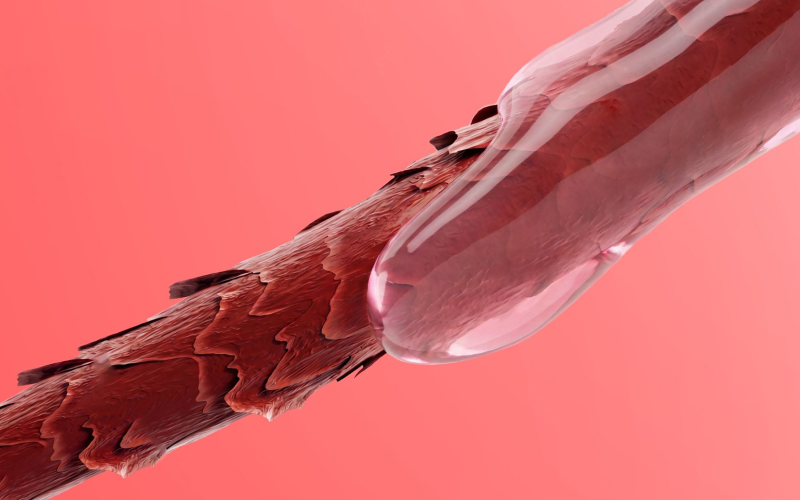
doesn't it seem like everyone is talking about protein lately? but today, we’re not discussing protein shakes or cottage cheese—we’re talking about protein overload in hair.
you may already know that a protein called keratin makes up the majority of our hair, as well as our skin + nails. so if our hair is damaged, it makes sense that we’d want to replenish the protein, right? (right?)
“protein-derived conditioning ingredients—particularly hydrolyzed proteins + amino acids—can temporarily improve the feel + mechanical properties of damaged hair,” explains Mallory Jones, amika global education & events specialist. but there can be too much of a good thing. “with protein overload, they’re generally talking about hair becoming stiff, rough, dry-feeling or brittle after frequent use of protein-containing strengthening treatment.”
keep reading to learn more about protein overload, common signs of protein overload, and more.
in this article:
- what, exactly, is protein overload?
- what causes protein overload in hair?
- what are some common signs of protein overload?
- what should you do if you think your hair has protein overload?
what, exactly, is protein overload?
in short, it’s that dry, brittle feeling from too many protein-infused products. think of it as “a sign that the current product routine isn't producing the flexibility + conditioning the fiber needs,” says Jones.
protein overload is often considered the counterpoint to moisture overload, which is hair that has absorbed too much water + become overly soft + unmanageable. ideally, hair has the right balance of both protein + moisture, so it has “enough flexibility to move without snapping while maintaining enough structural integrity to withstand styling and manipulation,” according to Jones.
what causes protein overload in hair?
as you might expect, protein overload is caused by too many protein-rich hair products. for example, “someone might use a protein shampoo, strengthening conditioner, protein mask + leave-in treatment simultaneously,” says Jones. “but more treatment isn't necessarily better.”
according to the expert, how much protein hair needs depends on the condition of the hair, more so than the type or texture. “highly damaged hair may benefit from protein-containing conditioning products, while relatively healthy hair may not need frequent intensive strengthening treatments,” she says.
what are some common signs of protein overload?
“the keyword is ‘change,’” says Jones, who says to take note “if the hair became noticeably harder, rougher or more brittle after introducing or increasing strengthening treatments." here are some signs to look out for:
- hair feels unusually stiff or rigid
- it feels rough, even after conditioning
- hair tangles more easily
- there's less flexibility or movement
- it feels straw-like, or snaps instead of stretching
what should you do if you think your hair has protein overload?
first, simplify. “pause intensive protein or strengthening treatments for a period + return to a gentle cleansing + conditioning routine,” advises Jones. “as the hair begins feeling more flexible + manageable, strengthening products can be reintroduced intentionally if the hair actually needs them.”
those are the basics of protein overload! and remember, you can always consult with your stylist for more specific recommendations to your hair type, texture + concerns.